Understanding the Rise of Gen Z Fashion
Fashion has always reflected cultural change, but Gen Z clothing is doing something different. It is not simply following seasonal trends or copying celebrity wardrobes. Instead, it is creating an entirely new fashion language built around self-expression, comfort, individuality, and social awareness. Born between approximately 1997 and 2012, Gen Z grew up in a world shaped by smartphones, social media, online communities, and instant access to global trends. Because of this digital upbringing, their fashion preferences are more dynamic and diverse than any previous generation. According to recent fashion industry reports, Gen Z’s global fashion spending is estimated to exceed $360 billion in 2026, making them one of the most influential consumer groups in the world.
What makes Gen Z especially powerful is that they don’t just buy fashion—they create it. Trends no longer start exclusively on luxury runways. Instead, they emerge from TikTok videos, Instagram reels, thrift stores, gaming communities, and niche online subcultures. A trend can become viral within days and disappear just as quickly. This constant evolution has transformed fashion into a living conversation rather than a set of rules. Gen Z consumers want clothing that reflects their personality, beliefs, and lifestyle rather than simply displaying a brand logo. Their approach has pushed the entire fashion industry to rethink how products are designed, marketed, and sold.
Who Exactly Is Gen Z?
Generation Z represents the first fully digital-native generation. Unlike Millennials, who witnessed the rise of the internet, Gen Z has lived with technology from the beginning. This constant connection has shaped how they communicate, shop, and discover fashion. Social platforms serve as their magazines, runways, and shopping malls all at once. Studies show that nearly 68% of Gen Z fashion purchases are influenced by social media content, making digital platforms the most important trend drivers today.
Because they have grown up surrounded by diverse cultures and perspectives, Gen Z tends to reject rigid definitions. This mindset extends directly into fashion. They mix luxury pieces with thrifted finds, pair vintage jackets with futuristic sneakers, and blend aesthetics that traditionally would never appear together. Fashion is no longer about fitting into a category. Instead, it is about creating a personal identity that can evolve from day to day. This flexibility explains why Gen Z wardrobes often include everything from streetwear and athletic apparel to cottagecore dresses and vintage denim.
Why Gen Z Influences Global Fashion Trends
The influence of Gen Z goes far beyond their spending power. Their online presence allows them to amplify trends globally within hours. A single viral TikTok can transform an unknown item into a sold-out fashion staple overnight. Brands understand this power, which is why many now focus heavily on influencer partnerships, creator collaborations, and user-generated content instead of traditional advertising campaigns.
Fashion companies have learned that Gen Z values authenticity above almost everything else. Reports indicate that brand loyalty among Gen Z consumers is significantly higher when companies align with their values and communicate transparently. This means brands must demonstrate genuine commitments to sustainability, diversity, and ethical production practices rather than simply using them as marketing buzzwords. Gen Z consumers research brands, read reviews, and discuss products within online communities before making purchases. As a result, fashion labels are being held accountable in ways that previous generations never demanded.
The Core Elements of Gen Z Clothing
At the heart of Gen Z fashion lies a simple principle: wear what feels authentic. Unlike previous eras where fashion magazines dictated trends, Gen Z embraces experimentation. There is no single “correct” way to dress. Instead, personal expression is celebrated above conformity. This philosophy has created a fashion landscape filled with oversized silhouettes, layered aesthetics, relaxed fits, and unconventional combinations.
Comfort plays a massive role in these choices. Modern Gen Z wardrobes prioritize clothing that looks stylish while remaining practical enough for daily life. Oversized hoodies, loose-fitting jeans, relaxed trousers, and versatile sneakers dominate because they provide both comfort and visual appeal. This shift reflects broader cultural changes where work, education, entertainment, and social interaction often blend together in digital spaces. Fashion must adapt to these flexible lifestyles.
Oversized Silhouettes and Comfort-First Fashion
One of the most recognizable Gen Z fashion trends is the move toward oversized clothing. Baggy jeans, oversized hoodies, loose blazers, and wide-leg pants have become wardrobe essentials. This trend represents a rejection of restrictive fashion standards and promotes freedom of movement and comfort. According to multiple 2026 fashion reports, oversized silhouettes remain among the strongest Gen Z fashion preferences globally.
The appeal goes beyond comfort alone. Oversized fashion creates a relaxed confidence that feels effortless. Think of it like modern architecture replacing cramped spaces with open layouts. Gen Z wants clothing that allows breathing room—both physically and creatively. These pieces are highly versatile, making them easy to style for casual outings, social events, or even professional environments. The result is a wardrobe that feels adaptable rather than restrictive.
Streetwear as Everyday Expression
Streetwear has evolved from a niche subculture into one of the defining pillars of Gen Z fashion. Originally inspired by skateboarding, hip-hop, and urban culture, streetwear now influences nearly every segment of the fashion industry. Graphic tees, sneakers, cargo pants, oversized hoodies, and varsity jackets form the foundation of many Gen Z wardrobes.
What makes streetwear particularly attractive to Gen Z is its ability to tell a story. Every graphic, patch, logo, or customization becomes part of a personal narrative. Streetwear allows people to communicate interests, values, and cultural affiliations without saying a word. In many ways, clothing has become a visual social media profile worn in the real world.
The Return of Y2K Fashion
Few trends illustrate Gen Z’s love of nostalgia better than the resurgence of Y2K fashion. Inspired by the late 1990s and early 2000s, this aesthetic has become one of the most influential forces in modern fashion. However, Gen Z has not simply copied old styles. Instead, they have reimagined them through a contemporary lens that emphasizes sustainability, comfort, and inclusivity.
The return of Y2K reflects a broader cultural fascination with nostalgia. During periods of uncertainty and rapid technological change, people often find comfort in familiar aesthetics. Fashion brands have recognized this emotional connection and continue to reinterpret iconic silhouettes, fabrics, and accessories for modern audiences.
Popular Y2K Pieces in 2026
| Trend Item | Why Gen Z Loves It |
|---|---|
| Baggy Jeans | Comfortable and versatile |
| Baby Tees | Nostalgic and easy to style |
| Cargo Pants | Functional and trendy |
| Platform Sneakers | Adds height and attitude |
| Mini Shoulder Bags | Compact and social-media friendly |
| Cropped Hoodies | Casual yet fashionable |
Many of these items dominate TikTok fashion content and continue appearing in influencer wardrobes worldwide. Recent fashion coverage also highlights the return of capri pants, spiral patterns, and playful accessories as newer extensions of the Y2K revival.
Sustainability and Ethical Fashion Choices
Perhaps the most important aspect of Gen Z clothing is its strong connection to sustainability. Unlike previous generations, Gen Z often views environmental responsibility as a requirement rather than a bonus feature. Research shows that 73% of Gen Z shoppers have abandoned purchases after learning about poor environmental practices, while many prioritize sustainability over brand prestige.
This shift has forced fashion brands to become more transparent about sourcing, manufacturing, and labor practices. Consumers now expect detailed information about materials, carbon footprints, and supply chains. Brands that fail to provide transparency risk losing credibility among younger audiences.
Thrifting, Resale, and Upcycling Culture
The rise of thrift stores, resale platforms, and upcycling communities demonstrates how deeply sustainability has influenced Gen Z shopping habits. Rather than constantly buying new clothing, many consumers now prefer secondhand items that reduce waste and offer unique style opportunities. Reports show that resale culture continues to expand rapidly among Gen Z shoppers.
Thrifting also offers something traditional retail often cannot: individuality. Finding a vintage jacket or customized denim piece feels like discovering hidden treasure. Every item carries a story and helps create a wardrobe that stands apart from mass-produced trends. Upcycling takes this creativity even further by transforming old garments into entirely new fashion statements.
Gender-Fluid Fashion and Inclusivity
Fashion has historically divided clothing into strict categories based on gender. Gen Z is challenging these conventions more aggressively than any previous generation. Gender-fluid fashion embraces flexibility, allowing people to wear what feels right regardless of traditional expectations. Recent studies suggest that more than 40% of Gen Z consumers have purchased clothing outside traditional gender categories.
This shift reflects broader conversations about identity and self-expression. Instead of asking whether a garment is designed for men or women, Gen Z often focuses on how it fits, feels, and aligns with their personal style. Fashion becomes less about labels and more about freedom.
The Growth of Unisex Clothing
Many brands have responded by expanding gender-neutral collections. Oversized shirts, relaxed trousers, hoodies, and minimalist designs naturally lend themselves to unisex styling. These collections simplify shopping while making fashion more inclusive. The popularity of shared wardrobes and neutral silhouettes demonstrates how consumer preferences are moving toward flexibility rather than rigid categorization.
For Gen Z, inclusivity is not a trend. It is an expectation. Brands that embrace diverse sizing, representation, and gender-inclusive designs are more likely to build lasting relationships with younger audiences.
Social Media’s Impact on Gen Z Clothing
It is impossible to discuss Gen Z fashion without mentioning social media. Platforms like TikTok, Instagram, Pinterest, and YouTube have become the primary engines driving fashion discovery. Statistics indicate that 97% of Gen Z consumers use social media for shopping inspiration, while many purchase products directly through social platforms.
Unlike traditional advertising, social media allows trends to emerge organically through creators and communities. A fashion trend can gain momentum because thousands of users genuinely enjoy it, not because a corporation spent millions promoting it.
The Rise of Fashion Micro-Trends
One fascinating consequence of social media is the rise of micro-trends. These are highly specific aesthetics that may only remain popular for a few months before evolving into something new. Cottagecore, coquette, gorpcore, clean girl aesthetics, and dark academia are just a few examples.
While micro-trends offer endless creativity, they also contribute to rapid consumption cycles. This has sparked ongoing debates about balancing self-expression with sustainability. Many Gen Z consumers now combine trend participation with thrift shopping and clothing swaps to reduce waste while still enjoying fashion experimentation.
Popular Gen Z Fashion Trends in 2026
Fashion trends in 2026 reflect a blend of comfort, nostalgia, and individuality. Oversized clothing remains dominant, while functional designs continue gaining popularity. According to multiple fashion industry reports, the strongest trends include baggy jeans, oversized hoodies, cargo pants, vintage-inspired denim, minimalist graphic tees, and sporty athleisure pieces.
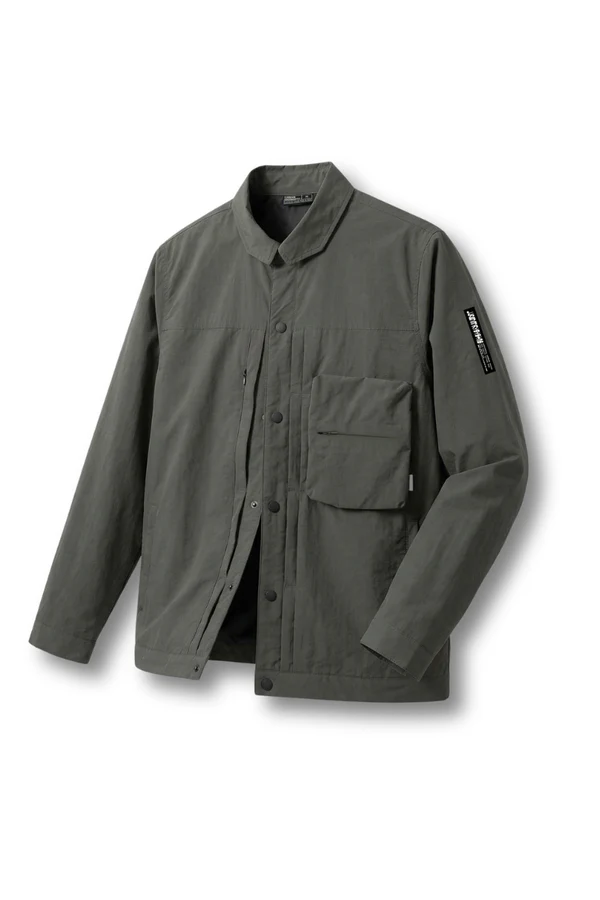
Gorpcore has also become increasingly popular. Inspired by outdoor and hiking apparel, this aesthetic combines practical functionality with urban styling. Utility vests, technical jackets, hiking sneakers, and weather-resistant fabrics are now common even in city environments. This trend highlights Gen Z’s preference for clothing that performs well while still looking fashionable.
Gorpcore, Athleisure, and DIY Fashion
Athleisure continues dominating everyday wardrobes because it blends comfort with versatility. Joggers, performance fabrics, oversized sweatshirts, and athletic sneakers transition easily between workouts, classes, and social gatherings. Gen Z values efficiency, and athleisure reflects that lifestyle perfectly.
DIY fashion has emerged as another powerful movement. Customized denim, hand-painted jackets, embroidered accessories, and upcycled garments allow individuals to create one-of-a-kind pieces. This trend aligns with both sustainability and self-expression. Instead of purchasing identical products, consumers actively participate in the creative process.
How Brands Are Adapting to Gen Z Consumers
Fashion brands understand that attracting Gen Z requires more than trendy designs. Authenticity, transparency, and community engagement have become essential business strategies. Many companies now collaborate directly with creators, host interactive social media campaigns, and involve customers in product development.
Recent market analysis shows that Gen Z increasingly favors brands that demonstrate genuine values rather than simply promoting products. Companies that successfully build emotional connections often achieve stronger customer loyalty and higher repeat purchase rates.
Social Commerce and Community Building
Social commerce is transforming how fashion products are sold. Instead of visiting traditional websites, many Gen Z consumers discover and purchase clothing directly through social media platforms. Live shopping events, creator recommendations, and community-driven content have become powerful sales channels. Research indicates that more than half of Gen Z consumers have purchased fashion products through social media platforms.
Brands are also investing heavily in community building. Online forums, exclusive creator collaborations, and interactive experiences help foster a sense of belonging. Consumers increasingly want to support brands that feel like communities rather than corporations.
The Future of Gen Z Clothing
The future of Gen Z clothing will likely become even more personalized, sustainable, and technology-driven. Artificial intelligence, digital fashion, virtual fitting rooms, and augmented reality shopping experiences are already beginning to reshape the industry. Yet despite technological advancements, the core values driving Gen Z fashion seem unlikely to change.
Authenticity, individuality, sustainability, and inclusivity will continue influencing purchasing decisions. Fashion will remain a tool for storytelling rather than simple status signaling. Consumers will increasingly seek products that align with their beliefs while allowing them to express unique identities. The brands that thrive will be those capable of balancing innovation with genuine human connection.
Conclusion
Gen Z clothing is much more than a collection of trends. It represents a cultural shift in how people view fashion, identity, and consumption. Oversized streetwear, Y2K nostalgia, sustainable shopping, gender-fluid designs, and social-media-driven trends all contribute to a fashion ecosystem built around personal expression. Unlike previous generations that often followed established rules, Gen Z embraces experimentation and individuality.
As fashion continues evolving, Gen Z’s influence will only grow stronger. Their emphasis on authenticity, sustainability, and inclusivity is reshaping how brands operate and how consumers shop. Whether through thrifted vintage finds, customized DIY pieces, or the latest viral streetwear trend, Gen Z has transformed clothing into a powerful form of self-expression that extends far beyond fabric and design.
FAQs
1. What is Gen Z clothing?
Gen Z clothing refers to fashion styles popular among Generation Z, including oversized outfits, streetwear, Y2K fashion, sustainable clothing, and gender-fluid designs that emphasize individuality and comfort.
2. Why is oversized clothing popular among Gen Z?
Oversized clothing offers comfort, versatility, and a relaxed aesthetic that aligns with Gen Z’s preference for self-expression and freedom from traditional fashion rules.
3. Does Gen Z care about sustainable fashion?
Yes. Studies show that sustainability strongly influences Gen Z purchasing decisions, with many consumers prioritizing ethical brands, thrift shopping, resale platforms, and environmentally friendly materials.
4. How does TikTok influence Gen Z fashion?
TikTok helps trends spread rapidly through creators, viral videos, outfit inspiration, and direct product recommendations, making it one of the most influential fashion platforms today.
5. What are the biggest Gen Z fashion trends in 2026?
Major trends include oversized hoodies, baggy jeans, cargo pants, Y2K-inspired clothing, gorpcore, athleisure, sustainable fashion, thrifted pieces, and gender-neutral styles.